

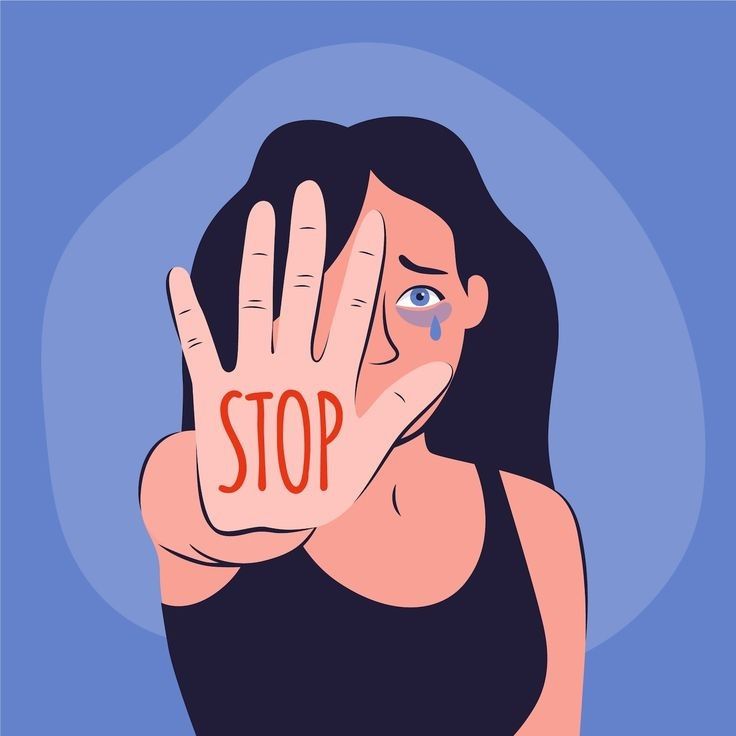
One night, as I was about to sleep, I heard a woman crying out for help. Her voice trembled with fear and pain. The sound of children crying followed, their wails cutting through the quiet night. My heart pounded. Someone was being hurt—right next door.
Domestic violence is a harsh reality that many suffer in silence. It happens behind closed doors, and in that moment, I knew I couldn’t just ignore it. But what should one do in such situations? How can we help without putting ourselves or the victim in greater danger?
Here’s what you can do if you find yourself in a similar situation:
—
1. Assess the Situation First
Not all loud arguments are signs of abuse, but if you hear someone being physically harmed or calling for help, take it seriously. Try to determine if the person is in immediate danger. Listen carefully to what is being said and gauge the urgency of the situation.
2. Call for Help Immediately
If you hear violence happening, call your local emergency number (in the Philippines, dial 911). Do not hesitate. Give them the exact address and describe what you’re hearing. If you live in a subdivision or apartment, notify security or barangay officials as well.
If you’re unsure whether to report it, remember this: It’s better to call and be wrong than to stay silent and let someone suffer.
3. Avoid Direct Confrontation
It’s natural to want to step in and stop the abuse, but directly intervening can put you and the victim at greater risk. Abusers can be unpredictable and violent. Instead, let authorities handle the situation—they have the training and legal power to help.
4. Offer Support to the Victim
If you know the person being abused, reach out to them privately when it’s safe. Let them know they are not alone. Offer emotional support, share information about help centers, and encourage them to seek assistance from professionals.
In the Philippines, you can refer to them:
– PNP Women and Children Protection Desk (WCPD)– Available at police stations nationwide
– DSWD (Department of Social Welfare and Development) – Offers shelter and support for victims
– Barangay VAWC (Violence Against Women and Children) Desks– First point of contact in local communities
5. Break the Cycle of Silence
Domestic abuse thrives in secrecy. Many victims are afraid to speak up due to fear, financial dependence, or social stigma. If you suspect ongoing abuse in your community, raise awareness and encourage safe discussions about it.
You can also:
– Share helpline numbers and support groups on social media
– Attend community talks about domestic violence awareness
– Encourage open conversations about abuse in family and friend circles
Final Thoughts
I hoped it made a difference for the woman and her children. No one should live in fear inside their own home. If you ever hear or suspect domestic violence, don’t turn a blind eye. Your action—big or small—could save a life.
If you or someone you know needs help, here are some important contacts:
📞 Philippine National Police (PNP) Hotline: 911
📞 DSWD Domestic Violence Hotline: 8888
📞 VAWC Barangay Hotline:Visit your local barangay office
 Modern Momma Ph